
Comparing Fiberglass and Concrete Pools: Which is Right for You?
When deciding on a swimming pool, homeowners often find themselves choosing between fiberglass and concrete options. Each material offers unique benefits and potential drawbacks. By understanding these differences, you can make a more informed decision that suits your lifestyle and budget.
Installation Time
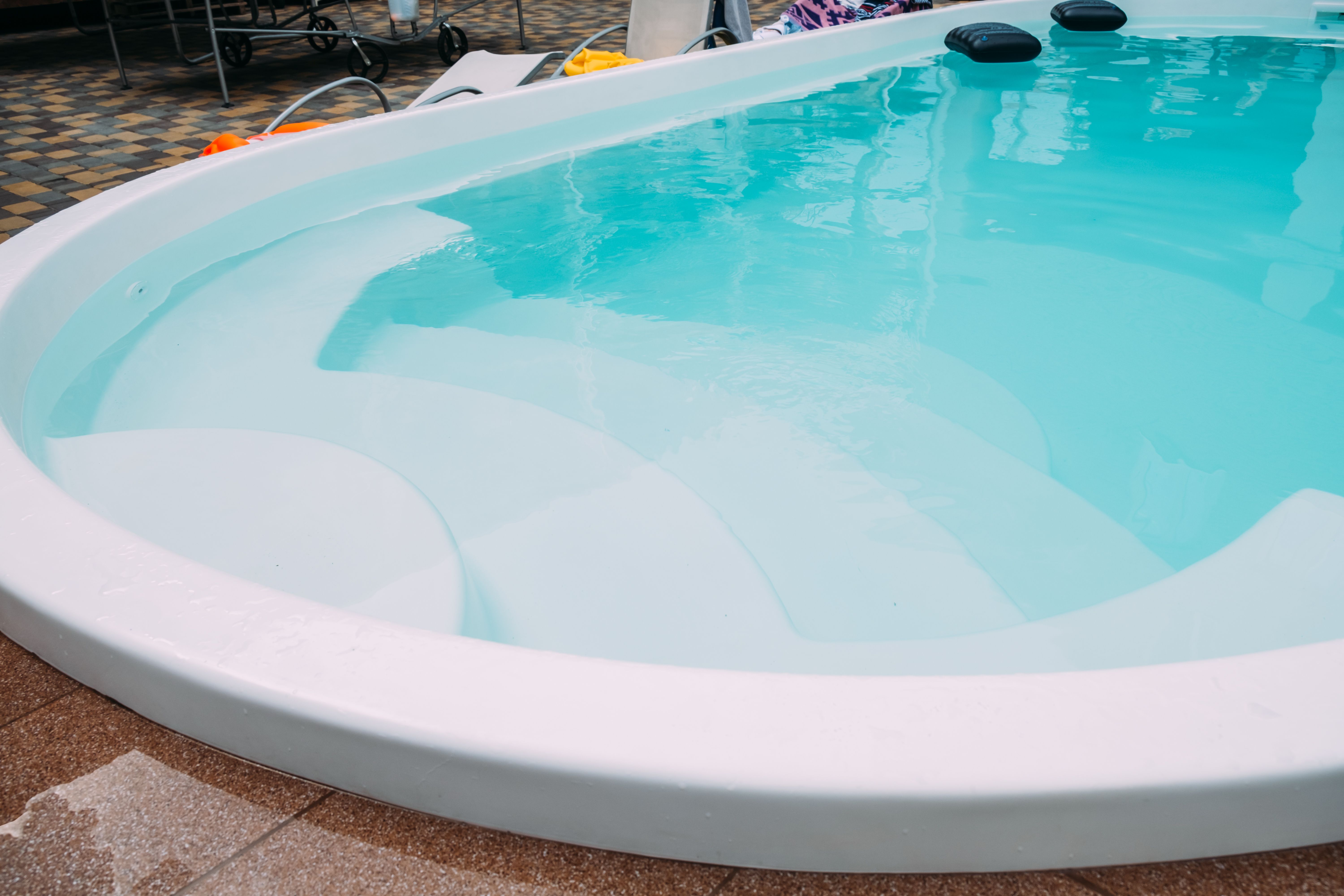
One of the most significant differences between fiberglass and concrete pools is the installation time. Fiberglass pools are typically pre-manufactured and transported to your home for quick installation. This process can take as little as a few weeks, allowing you to enjoy your new pool sooner.
In contrast, concrete pools require a more extended installation period. The process involves excavation, steel placement, plumbing, and concrete pouring, which can take several months from start to finish. While this allows for greater customization, it also means a longer wait time before you can dive in.
Customization Options
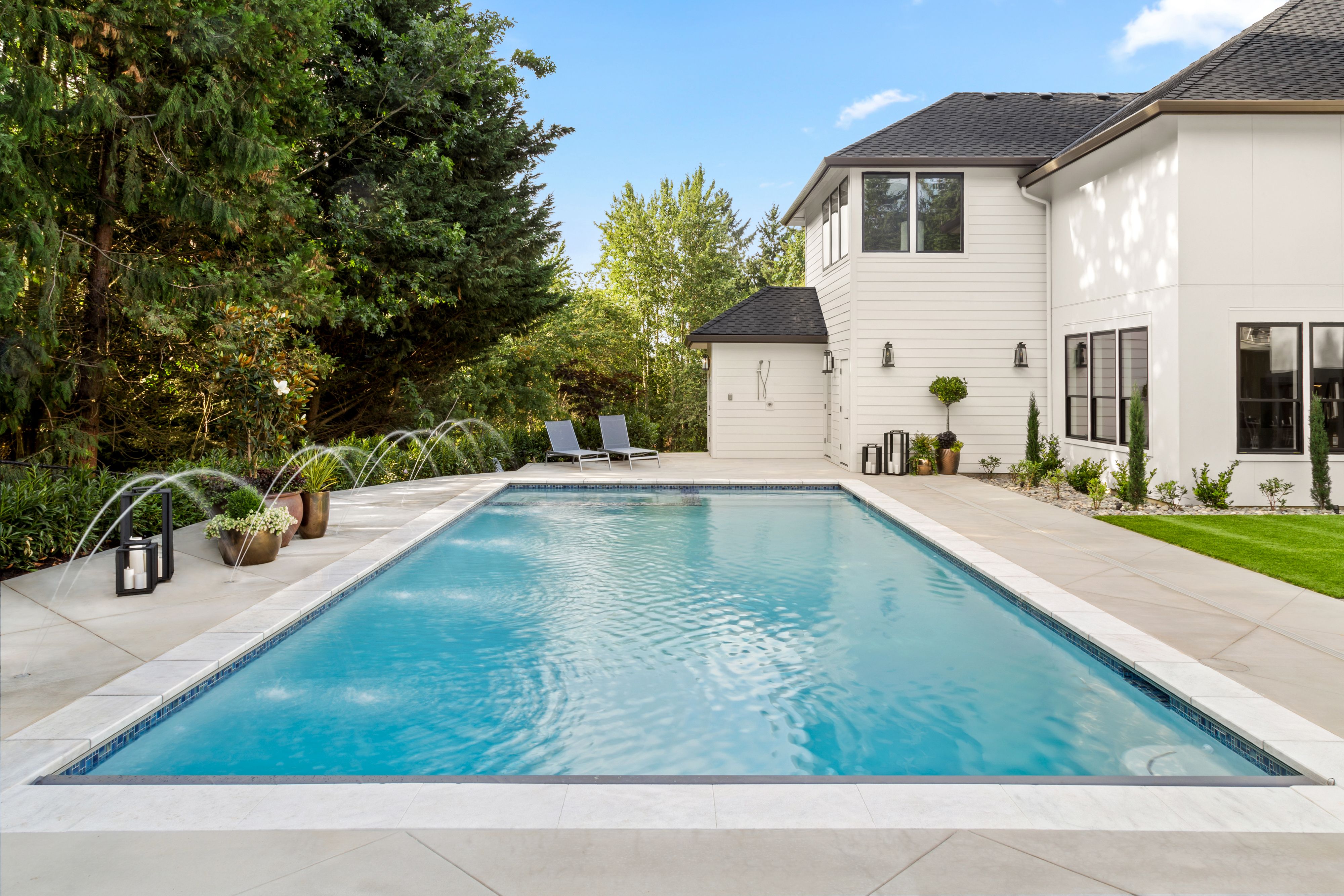
Regarding customization, concrete pools have a clear advantage. They can be tailored to any shape, size, or depth, and offer a variety of finishes such as plaster, tile, or even pebbles. This flexibility allows homeowners to create a truly unique pool that complements their outdoor space.
On the other hand, fiberglass pools come in pre-designed shapes and sizes. While they offer fewer customization options, they are available in a range of attractive designs and colors. This can simplify the decision-making process and ensure a consistently aesthetic finish.
Maintenance and Longevity
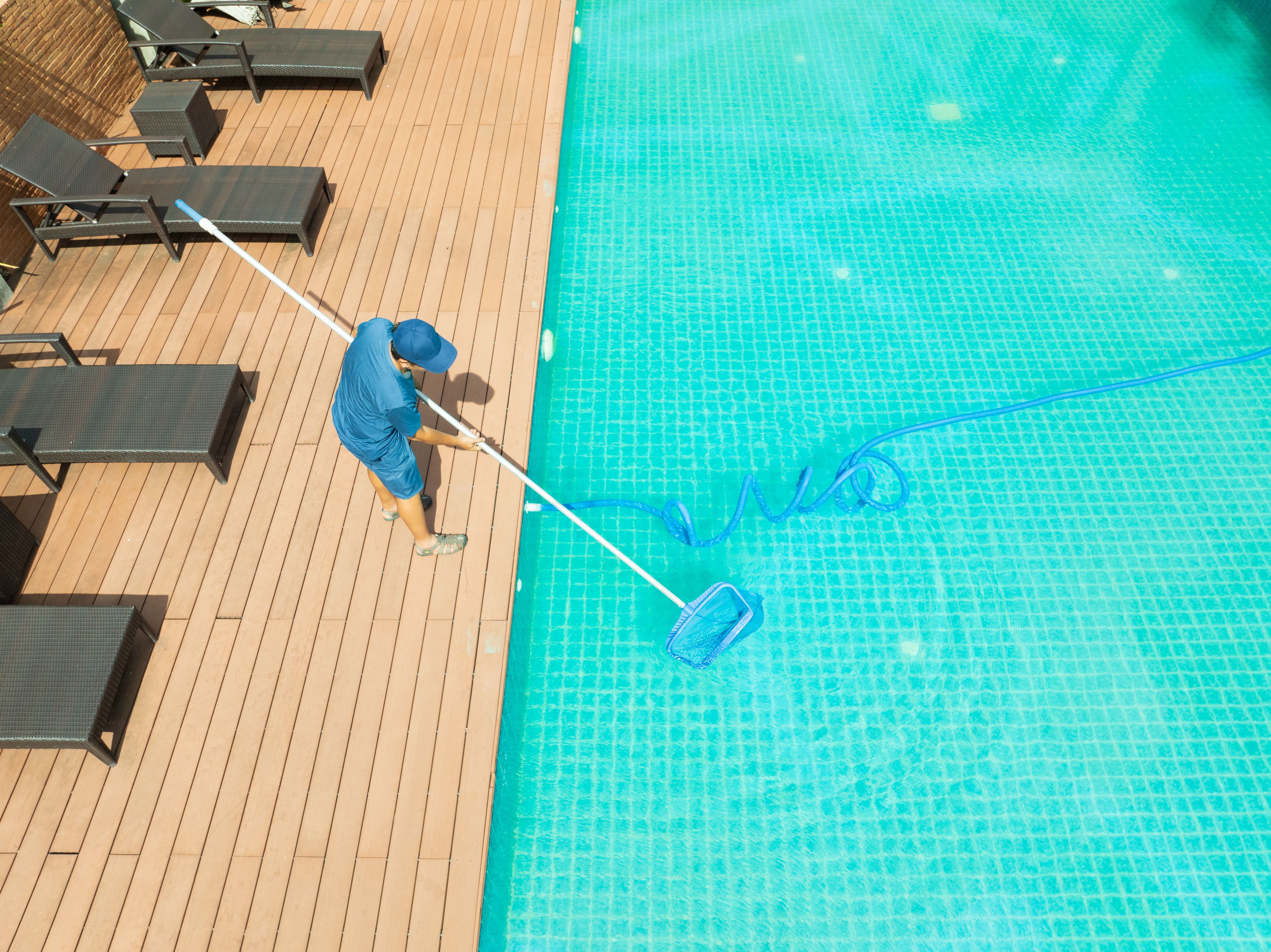
Maintenance is another critical factor to consider. Fiberglass pools have a smooth, non-porous surface that resists algae growth, making them easier to clean and maintain. They typically require fewer chemicals, which can result in lower ongoing costs.
Concrete pools, however, have a more porous surface that may encourage algae growth. This means more frequent cleaning and chemical balancing, leading to higher maintenance efforts and costs.
Durability and Costs
Concrete pools are renowned for their durability and strength. They can last for decades with proper maintenance, making them a long-term investment. However, they often come with higher initial costs due to the complex construction process.
Fiberglass pools, while durable, may not match the lifespan of a concrete pool. They are generally less expensive to install, offering a more budget-friendly option for those looking to save on upfront costs.
Conclusion
Choosing between a fiberglass and concrete pool depends on various factors, including budget, desired customization, and maintenance preferences. If you value quick installation and low maintenance, a fiberglass pool might be the right choice. However, if you seek a highly customizable and long-lasting option, a concrete pool could be worth the investment.
Ultimately, both types of pools can provide years of enjoyment. By considering your priorities and consulting with a pool professional, you can make the best decision for your home and lifestyle.