
Comparing Fiberglass vs. Concrete Pools: Which is Right for You?
Choosing the right pool for your backyard oasis involves various considerations, and one of the most significant decisions is whether to opt for a fiberglass or a concrete pool. Both options have unique advantages and potential drawbacks. Understanding these can help you make an informed decision that aligns with your lifestyle and budget.
Durability and Longevity
When it comes to durability, both fiberglass and concrete pools have their merits. Fiberglass pools are known for their resistance to algae and staining due to their non-porous surface. This feature makes them easier to maintain over time. In contrast, concrete pools are exceptionally sturdy and can last for decades, thanks to their robust construction. However, they require regular resurfacing to maintain their appearance and integrity.
Aesthetic and Design Flexibility
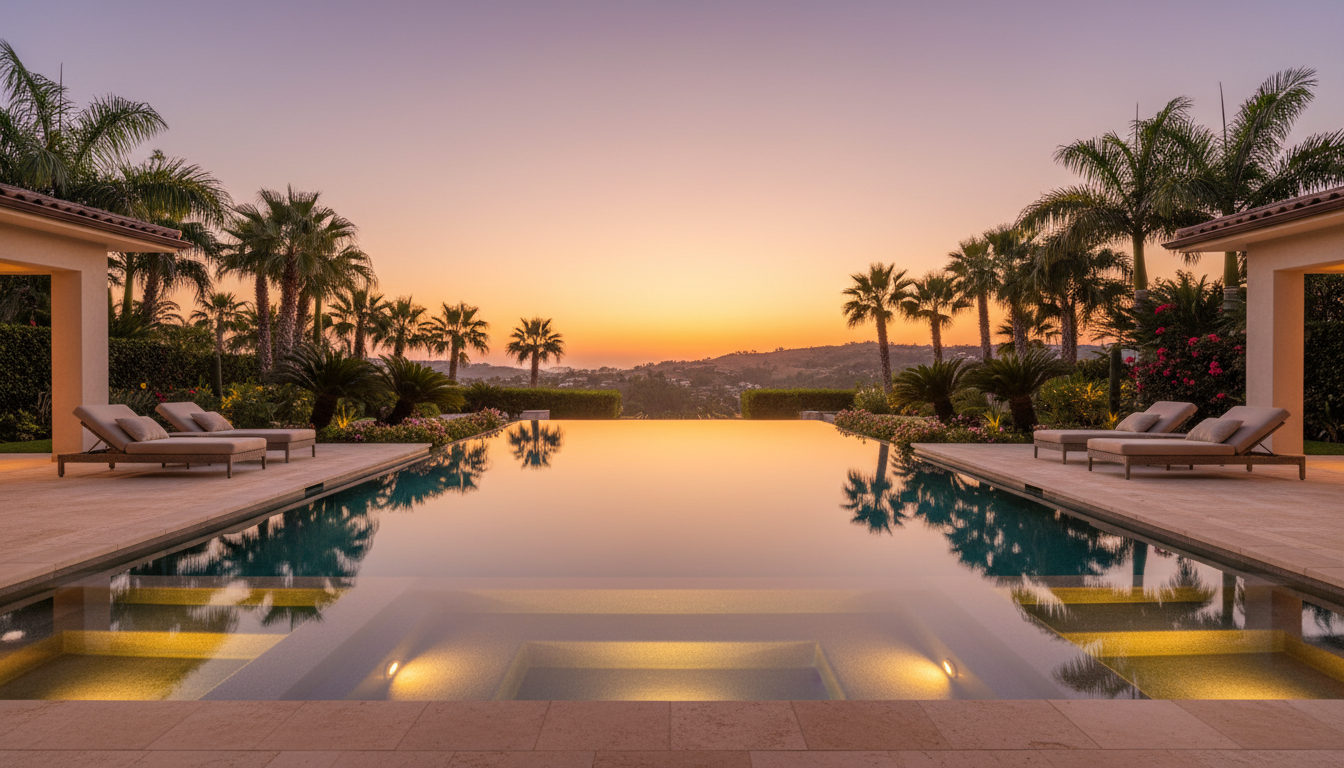
One of the primary advantages of concrete pools is their design flexibility. They can be crafted into virtually any shape or size, allowing for a highly customized look. This flexibility makes them ideal for unique landscaping or architectural requirements. On the other hand, fiberglass pools come in pre-fabricated shapes and sizes, which may limit customization but offer a sleek and modern appearance.
Fiberglass pools often come with built-in features like steps and benches, enhancing their aesthetic appeal and functionality. While these features can be added to concrete pools, they may increase the overall cost and construction time.
Installation Time and Costs
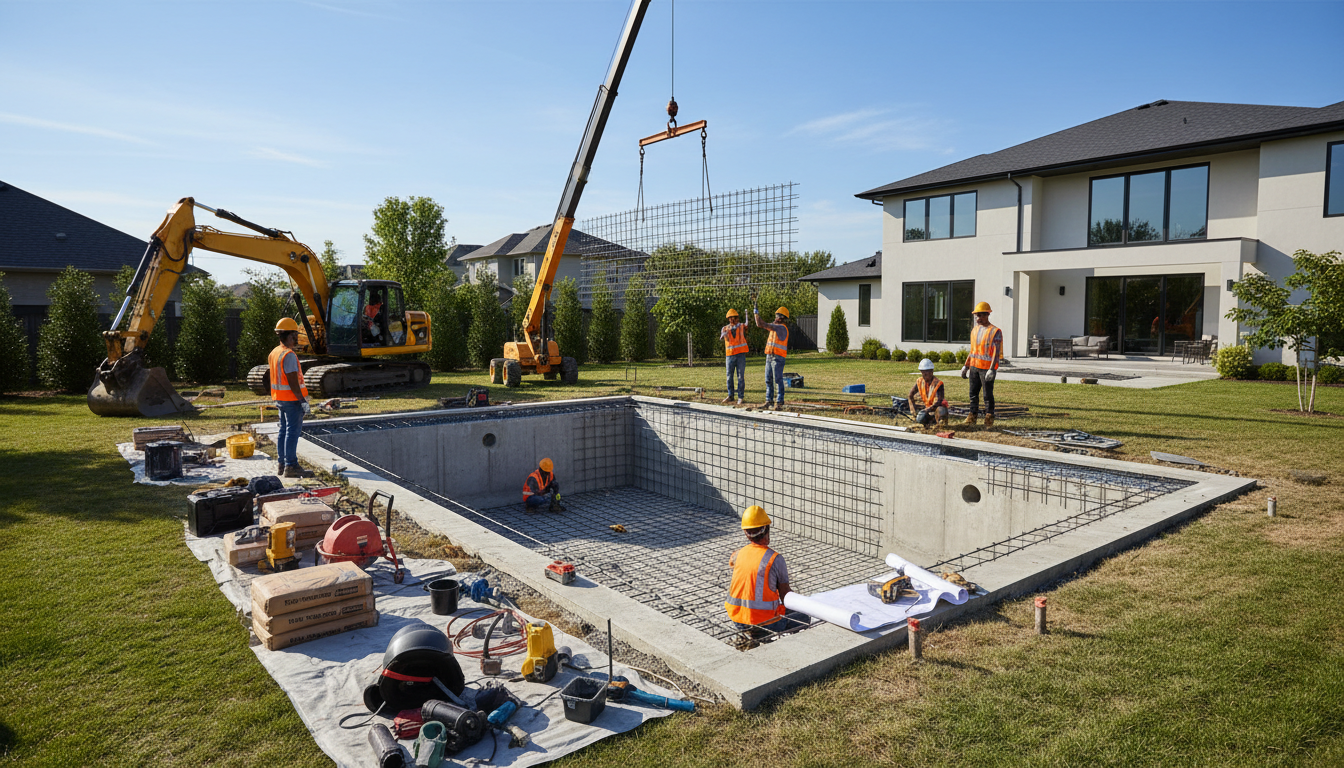
Installation time is another critical factor to consider. Fiberglass pools are typically quicker to install, often taking just a few weeks. This rapid installation process can be attributed to their pre-fabricated nature. Conversely, concrete pools can take several months to complete due to the customization and curing process involved.
When it comes to cost, concrete pools generally have a higher initial price tag due to their labor-intensive installation and customization options. However, it's essential to consider long-term maintenance costs, as fiberglass pools often require less upkeep.
Maintenance and Upkeep
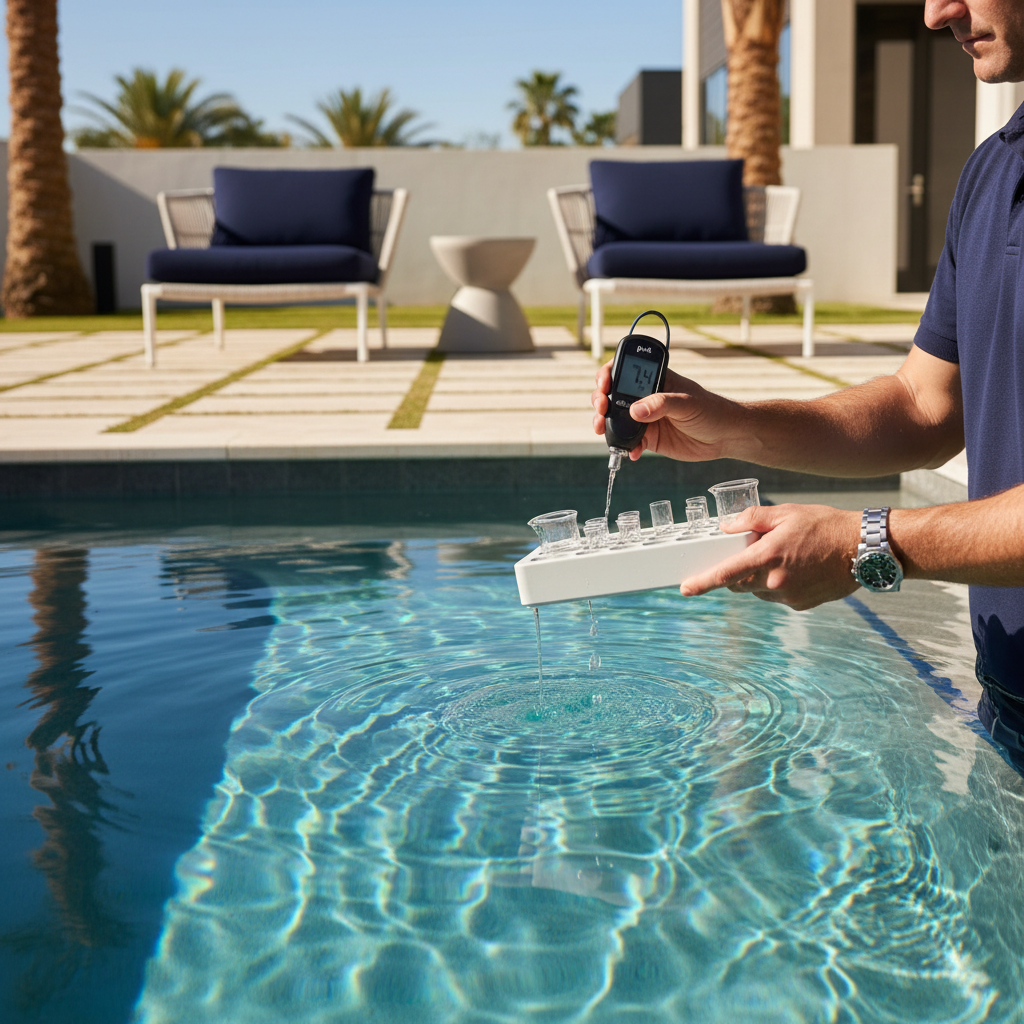
Maintenance is a significant consideration for pool owners. Fiberglass pools are often seen as lower maintenance due to their smooth surface, which resists algae growth. This can save time and money on cleaning and chemical treatments. In contrast, concrete pools can be more demanding, requiring frequent brushing and chemical balancing to prevent algae buildup.
Concrete pools also need resurfacing every 10 to 15 years, which should be factored into long-term maintenance planning. Fiberglass pools, while not immune to issues, generally have fewer maintenance requirements over their lifespan.
Conclusion: Which is Right for You?
The decision between fiberglass and concrete pools ultimately depends on your priorities. If you value quick installation, lower maintenance, and a modern look, a fiberglass pool may be the right choice. However, if customization and a long-lasting, durable design are more important, a concrete pool could be the better option. Consider your budget, design preferences, and how much time you want to invest in maintenance to make the best choice for your outdoor retreat.
Both types of pools offer unique benefits, and whichever you choose, you're sure to enjoy countless hours of relaxation and fun.