
Comparing Pool Materials: Fiberglass vs. Concrete
Overview of Pool Materials
Choosing the right material for your swimming pool is crucial for aesthetics, maintenance, and longevity. Two popular options are fiberglass and concrete. Each has its advantages and disadvantages, making it essential to understand the differences before making a decision.
Fiberglass pools are pre-manufactured, offering a smooth finish and relatively quick installation. Concrete pools, on the other hand, are custom-built, providing flexibility in design and size.
Installation and Construction
Fiberglass Pools
Fiberglass pools are created off-site and then transported to your location. This method allows for quick installation, often completed in a few weeks. The shell is placed into an excavated hole, and plumbing is connected.
This type of pool has a smooth, non-porous surface, making it resistant to algae and easy to clean. However, the design options are limited due to the pre-made molds.
Concrete Pools
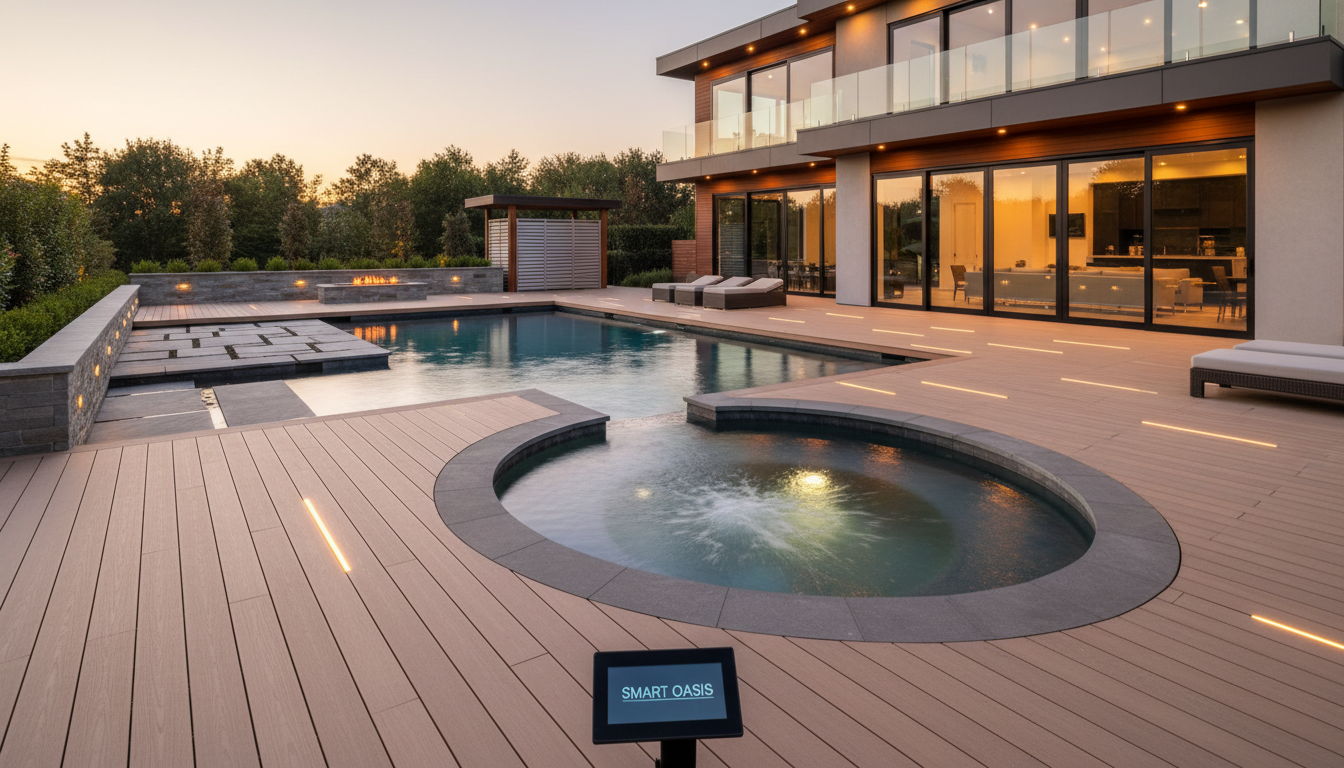
Concrete pools are built on-site, offering complete customization in terms of shape, size, and depth. This flexibility allows you to design a pool that perfectly fits your landscape and personal preferences.
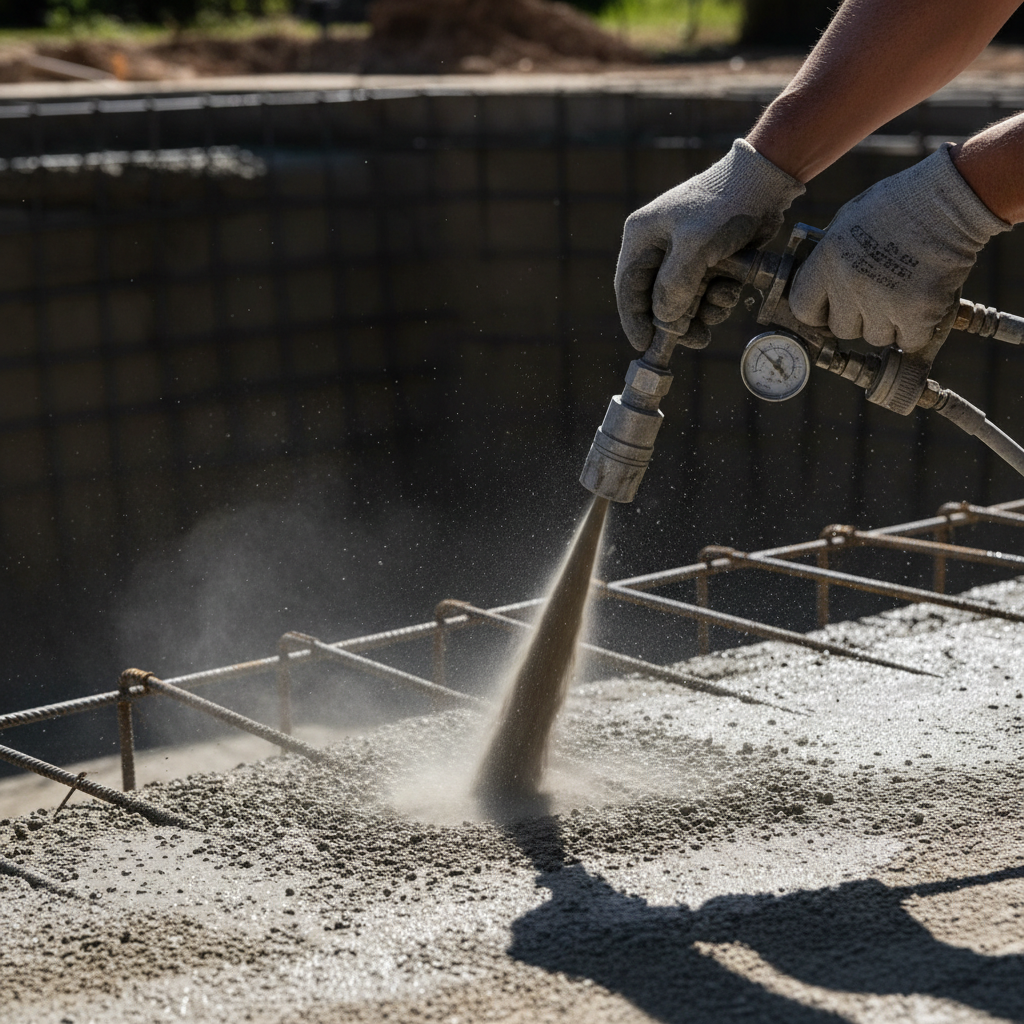
The construction process is more involved and can take several months. Despite the longer timeline, many homeowners appreciate the bespoke nature of concrete pools.
Maintenance and Durability
Fiberglass Pools
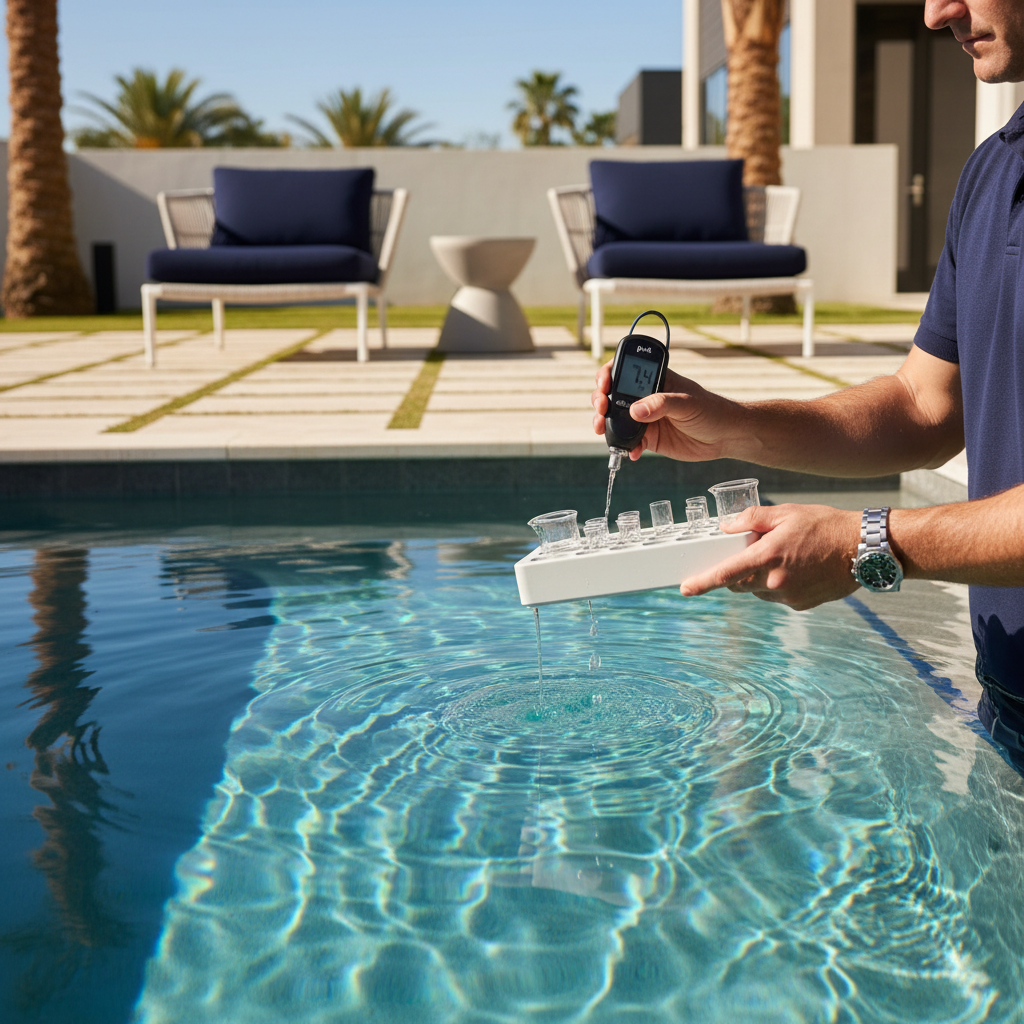
Fiberglass pools require less maintenance due to their smooth surface that resists algae growth. They are also less prone to cracking due to the flexibility of the material. Additionally, the non-porous surface means fewer chemicals are needed to keep the water balanced.
Concrete Pools
Concrete pools need regular maintenance, including frequent brushing to prevent algae buildup. The porous nature of concrete requires more chemicals to maintain water balance. While durable, the surface may need resurfacing every 10 to 15 years to keep it in top condition.
Cost Considerations
The initial cost of fiberglass pools is generally lower than that of concrete. However, the limited customization options might be a drawback for some. On the other hand, while concrete pools have a higher initial cost, their customizability can justify the expense for many homeowners.
Long-term maintenance costs should also be considered. Fiberglass pools typically incur lower maintenance expenses, while concrete pools may require more frequent repairs and chemical treatments.
Final Thoughts
When deciding between fiberglass and concrete pools, consider your priorities: budget, design flexibility, maintenance, and installation time. Fiberglass pools offer a quick and low-maintenance solution, whereas concrete pools provide a customizable and potentially more luxurious option.
Ultimately, the best choice depends on your specific needs and preferences. Consulting with a pool professional can help guide your decision, ensuring you choose the right material for your ideal backyard oasis.