
Eco-Friendly Pools vs. Traditional Pools: What’s Right for You?
Understanding Eco-Friendly Pools
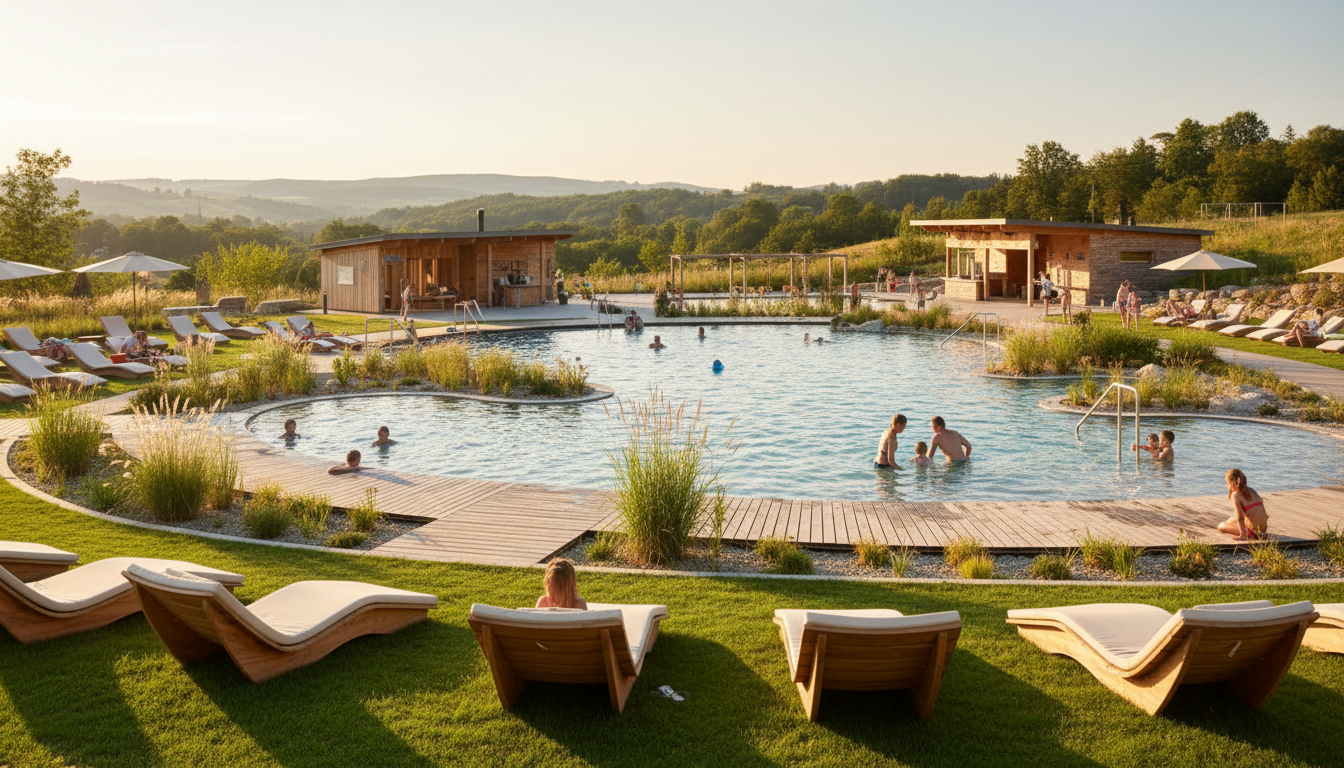
As environmental awareness grows, many homeowners are considering eco-friendly pools as an alternative to traditional pools. Eco-friendly pools, often referred to as natural pools or green pools, are designed to reduce the environmental impact by using sustainable practices and materials. These pools typically utilize natural filtration systems, solar heating, and energy-efficient pumps to create a more sustainable swimming experience.
One of the main attractions of eco-friendly pools is their ability to blend seamlessly with the natural environment. They often feature natural landscaping, such as rocks and plants, which not only enhances the aesthetic appeal but also contributes to the pool’s filtration process.
Traditional Pools: A Classic Choice
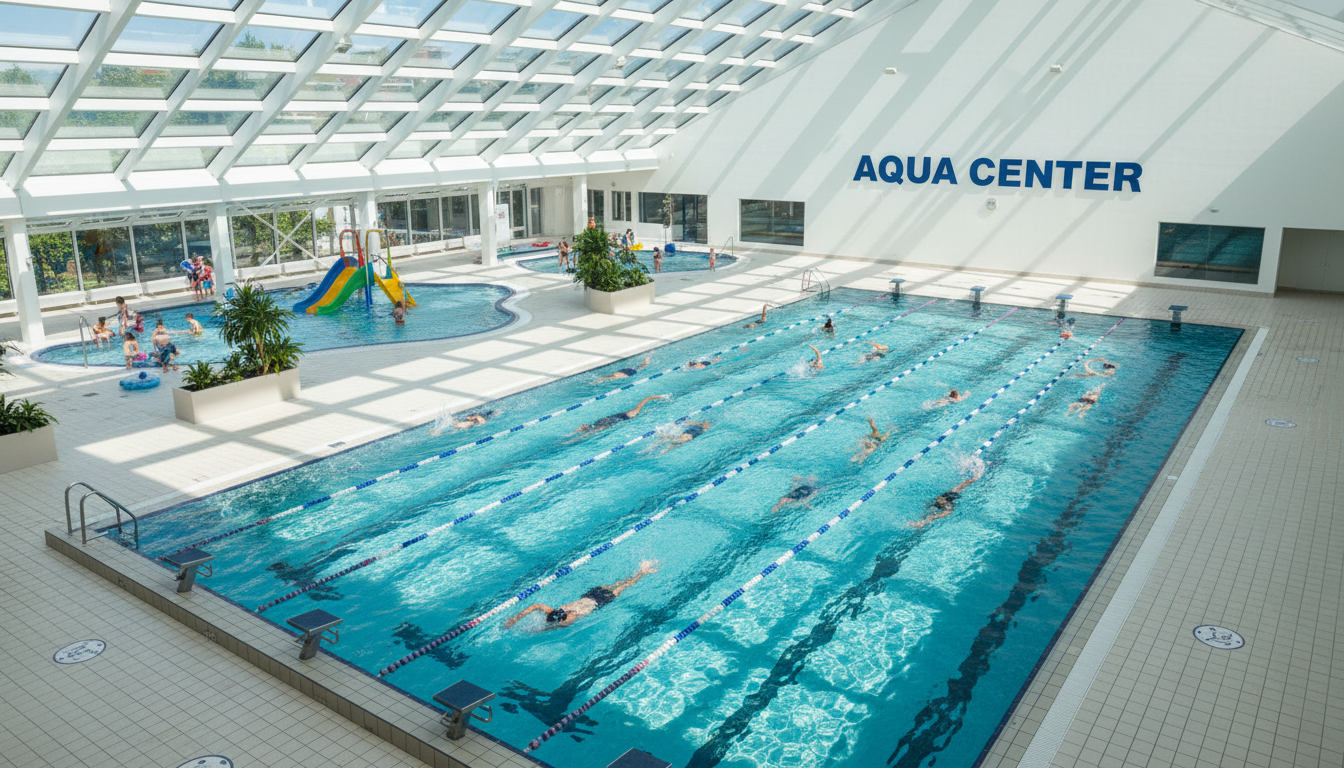
Traditional pools have been a staple for many years, offering a classic design and reliable performance. These pools are typically constructed with concrete or fiberglass and rely on chemical treatments to maintain water quality. They often come with a range of design options, allowing homeowners to customize their pool’s shape, size, and features.
While traditional pools are known for their durability and ease of maintenance, they can be less environmentally friendly due to their reliance on chlorine and other chemicals. Additionally, traditional pools may require more energy to operate, particularly if they are equipped with heating systems or elaborate water features.
Comparing Costs and Maintenance
When deciding between an eco-friendly pool and a traditional pool, cost and maintenance are crucial factors to consider. Eco-friendly pools may have a higher initial installation cost due to the specialized materials and systems used. However, they often save money in the long run through reduced energy consumption and lower chemical use.
Traditional pools, on the other hand, generally have lower upfront costs but may incur higher ongoing expenses. Regular chemical treatments, energy for heating, and water consumption can add up over time, making maintenance a significant consideration.

Sustainability and Health Benefits
Eco-friendly pools offer several sustainability benefits, such as reduced chemical usage and lower energy consumption. By utilizing natural filtration systems, these pools minimize the need for chlorine, which can be harsh on the skin and eyes. This makes them an attractive option for families with sensitive skin or those looking to enjoy a more natural swimming experience.
Traditional pools, while effective at maintaining crystal-clear water, often rely heavily on chemical treatments to prevent algae growth and maintain pH levels. This can lead to potential health concerns for swimmers, especially those with allergies or sensitivities to chlorine.

Making the Right Choice
Ultimately, the decision between an eco-friendly pool and a traditional pool depends on personal preferences, budget, and environmental considerations. If sustainability and a natural aesthetic are top priorities, an eco-friendly pool might be the right choice. These pools offer a unique swimming experience while promoting environmental responsibility.
For those who prefer a classic look with potentially lower initial costs, a traditional pool may be more suitable. With a wide range of design options and reliable functionality, traditional pools continue to be a popular choice for many homeowners.
- Consider your long-term budget and maintenance preferences.
- Think about the environmental impact and sustainability goals.
- Evaluate the swimming experience you desire for your family.