
Expert Tips for Designing the Perfect Eco-Friendly Pool
Understanding Eco-Friendly Pool Design
Designing an eco-friendly pool is not just about reducing your carbon footprint; it's also about creating a sustainable and cost-effective space for relaxation and enjoyment. The key is to balance aesthetics, functionality, and environmental considerations.
An eco-friendly pool uses resources efficiently, minimizes waste, and incorporates natural elements. By choosing the right materials and technologies, you can significantly reduce the environmental impact of your pool.
Choose Sustainable Materials
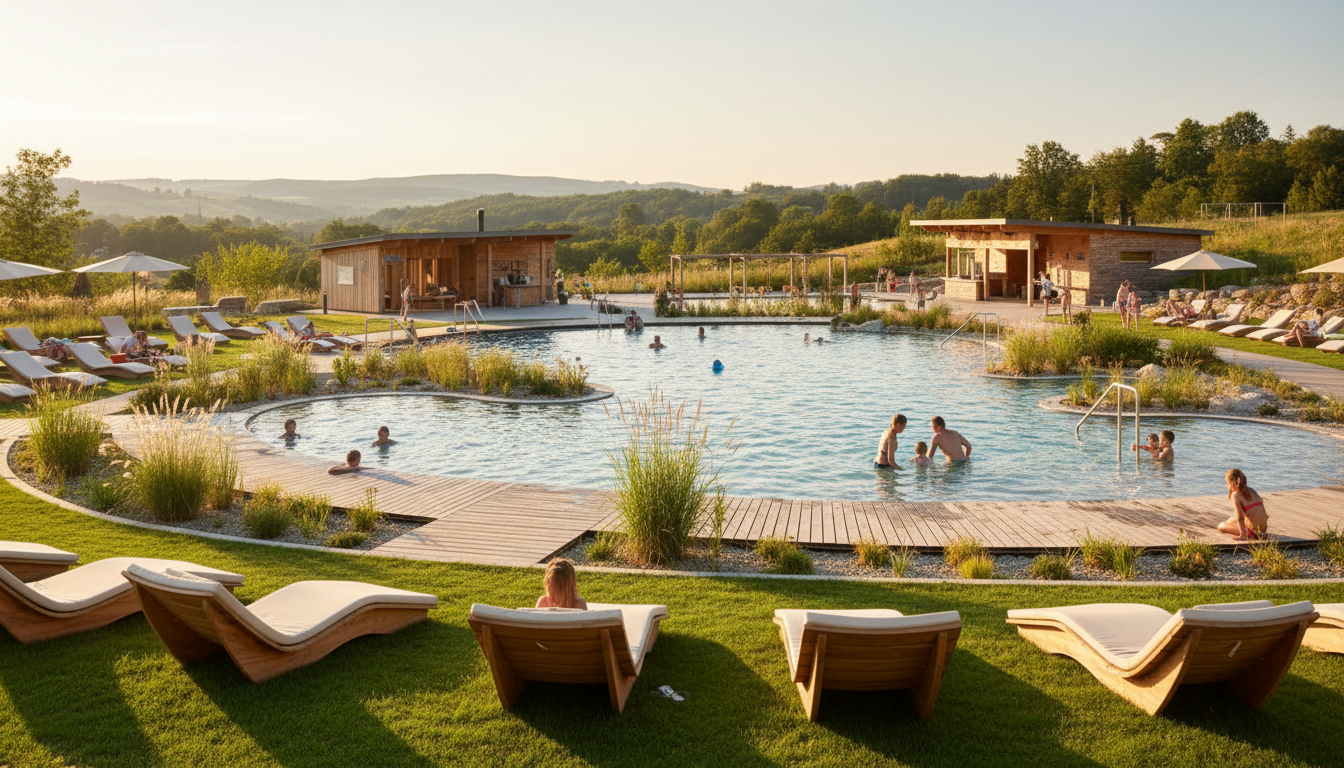
When designing your pool, opt for sustainable materials such as recycled glass tiles or natural stone. These not only look beautiful but also have a lower environmental impact compared to conventional options. Additionally, using local materials reduces transportation emissions.
Consider eco-friendly decking options like bamboo or reclaimed wood. These materials are durable and sustainable, offering an attractive and natural finish to your pool area.
Implement Energy-Efficient Systems
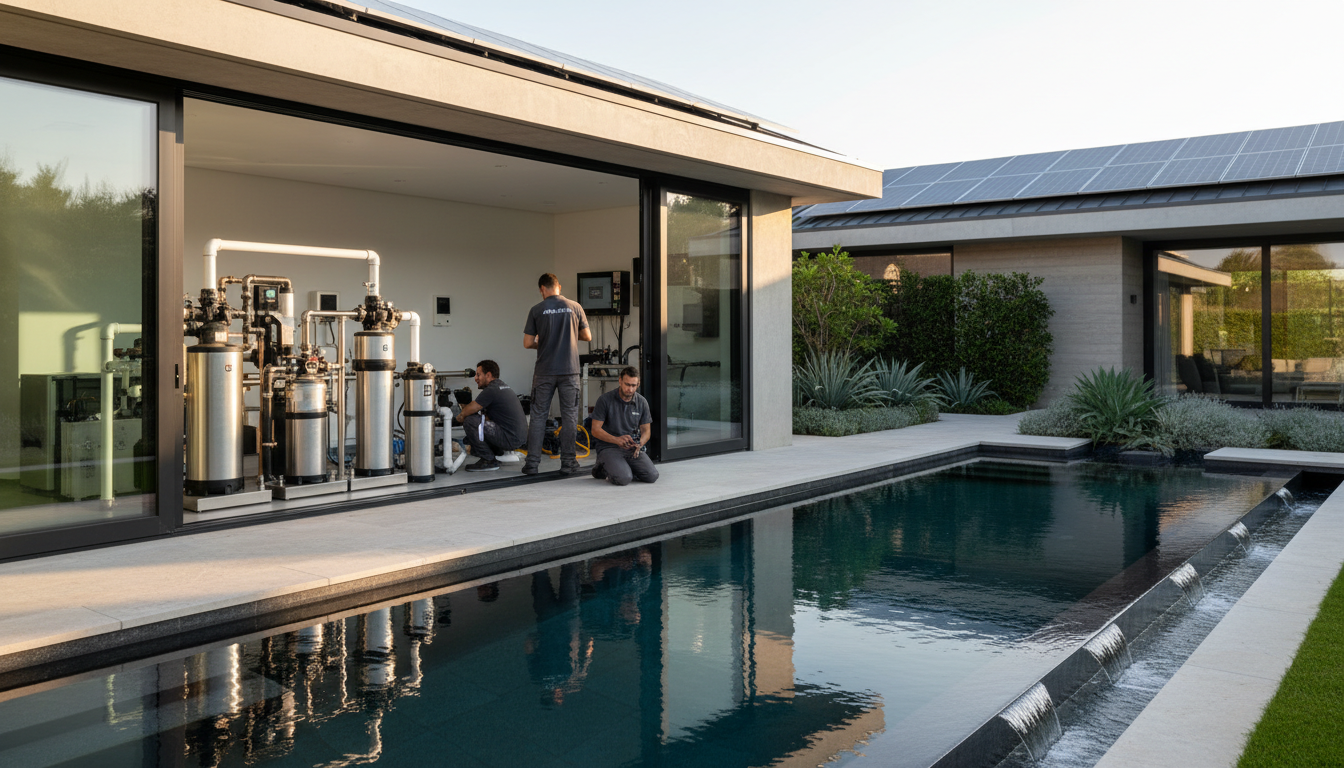
Energy efficiency is a crucial aspect of an eco-friendly pool. Invest in a high-efficiency pool pump and filter system, which can reduce energy consumption by up to 90%. Additionally, consider installing a solar pool heater to harness renewable energy and decrease reliance on fossil fuels.
LED lighting is another excellent option for eco-friendly pool design. These lights consume less electricity and have a longer lifespan compared to traditional lighting options, further reducing your energy footprint.
Water Conservation Techniques
Water conservation is essential for an eco-friendly pool. Implement a pool cover to reduce evaporation and maintain water temperature. This simple step can save thousands of gallons of water each year.
Consider a pool with a natural filtration system that uses plants and biofilters to maintain cleanliness. This reduces the need for chemical treatments and minimizes water waste.
Incorporate Native Landscaping
Surround your pool with native plants and trees to create a natural and inviting environment. Native plants require less water and maintenance, supporting local ecosystems and biodiversity.
Additionally, the shade provided by trees can help regulate pool temperature, reducing the need for energy-intensive heating and cooling systems.
Regular Maintenance and Upkeep
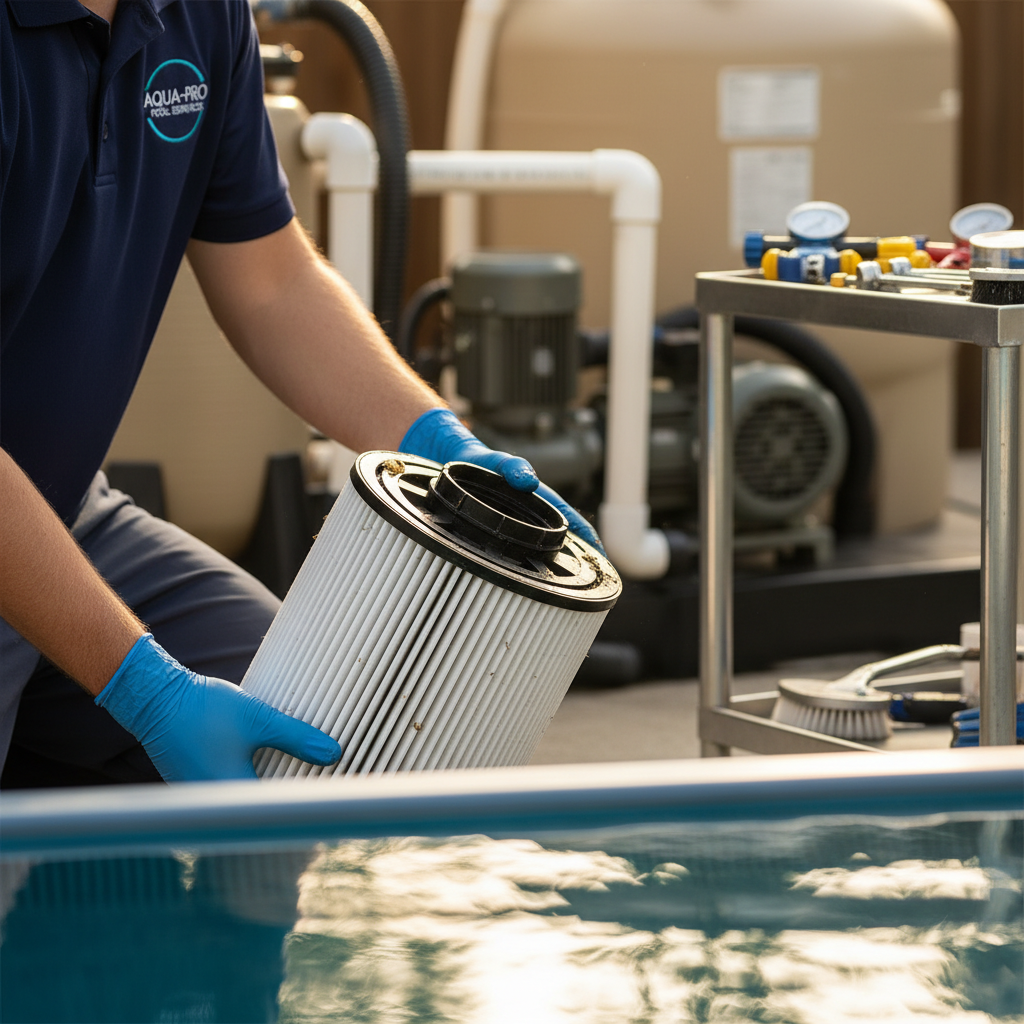
Maintaining your eco-friendly pool is just as important as the initial design. Regularly check for leaks and inefficiencies, and ensure that your systems are operating optimally. This will help you avoid unnecessary waste and maintain the sustainability of your pool.
A proactive approach to maintenance will not only preserve your pool's eco-friendly design but also extend its lifespan, saving you money in the long run.
Conclusion
Designing the perfect eco-friendly pool involves thoughtful planning and the right choices in materials, technology, and landscaping. By following these expert tips, you can create a beautiful and sustainable oasis that reflects your commitment to the environment.
Whether you're building a new pool or renovating an existing one, embracing eco-friendly practices will ensure that your pool is both a personal retreat and a positive contribution to the planet.