
Expert Tips for Installing Garden Cellars Effectively
Understanding the Basics of Garden Cellars
Garden cellars are an excellent addition to any home, offering extra storage space and preserving food items in a natural, eco-friendly way. Before diving into the installation process, it's essential to understand what a garden cellar is and how it functions. These underground structures capitalize on the earth's insulation properties, maintaining a stable temperature year-round.
When planning your garden cellar, consider its size, location, and purpose. Are you storing vegetables, wine, or garden tools? The intended use will guide the design and materials needed for effective installation.
Choosing the Right Location
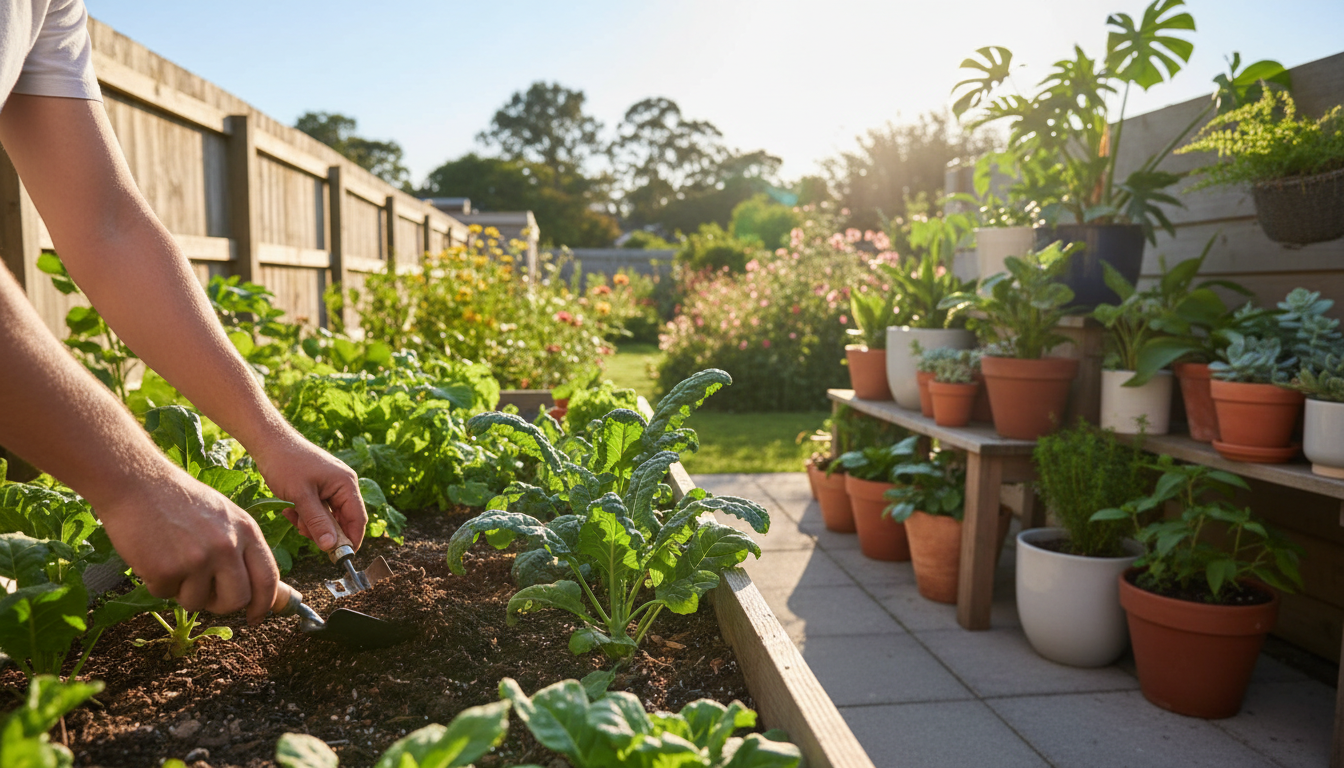
The location of your garden cellar plays a critical role in its effectiveness. Ideally, choose a spot with well-drained soil to prevent water logging and potential structural damage. Avoid areas with high water tables or prone to flooding.
Consider accessibility as well. The cellar should be conveniently located yet not disrupt the aesthetic flow of your garden. Survey the area for tree roots or underground utilities that might interfere with construction.
Selecting Materials and Design
Once the location is determined, selecting the right materials is crucial. Opt for durable, moisture-resistant materials such as concrete, stone, or treated wood. These materials provide the necessary insulation and structural integrity.
Design is another important aspect. Decide whether you want a traditional root cellar or a more modern design with built-in shelves and lighting. Customizable designs can better meet your specific storage needs.
Excavation and Construction Tips
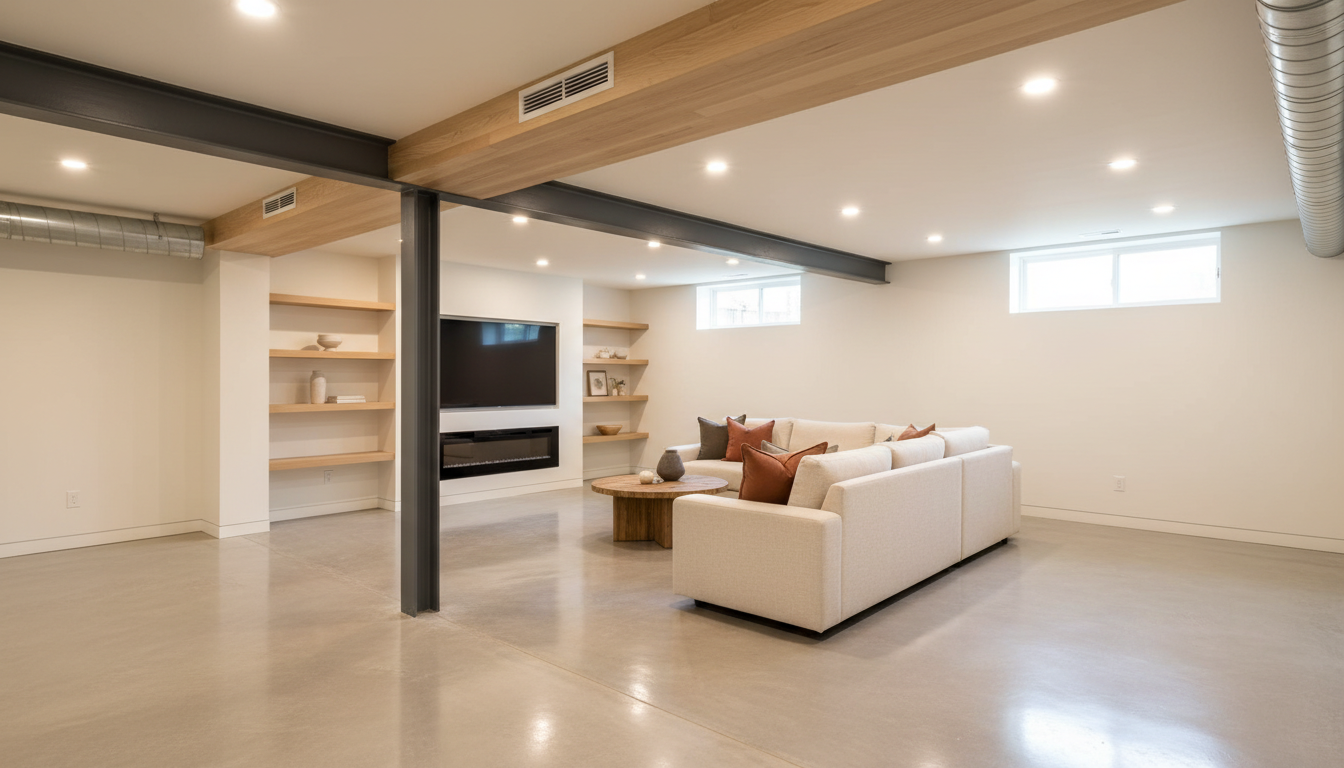
Proper excavation is key to a successful installation. Begin by marking out the dimensions of your cellar and digging down to the required depth. Ensure the walls are straight and the floor level to facilitate drainage and prevent water accumulation.
During construction, reinforce the walls and floor with concrete or stone. Installing a drainage system at this stage will help manage water ingress. Consider adding a vapor barrier to further protect against moisture.
Insulating Your Garden Cellar
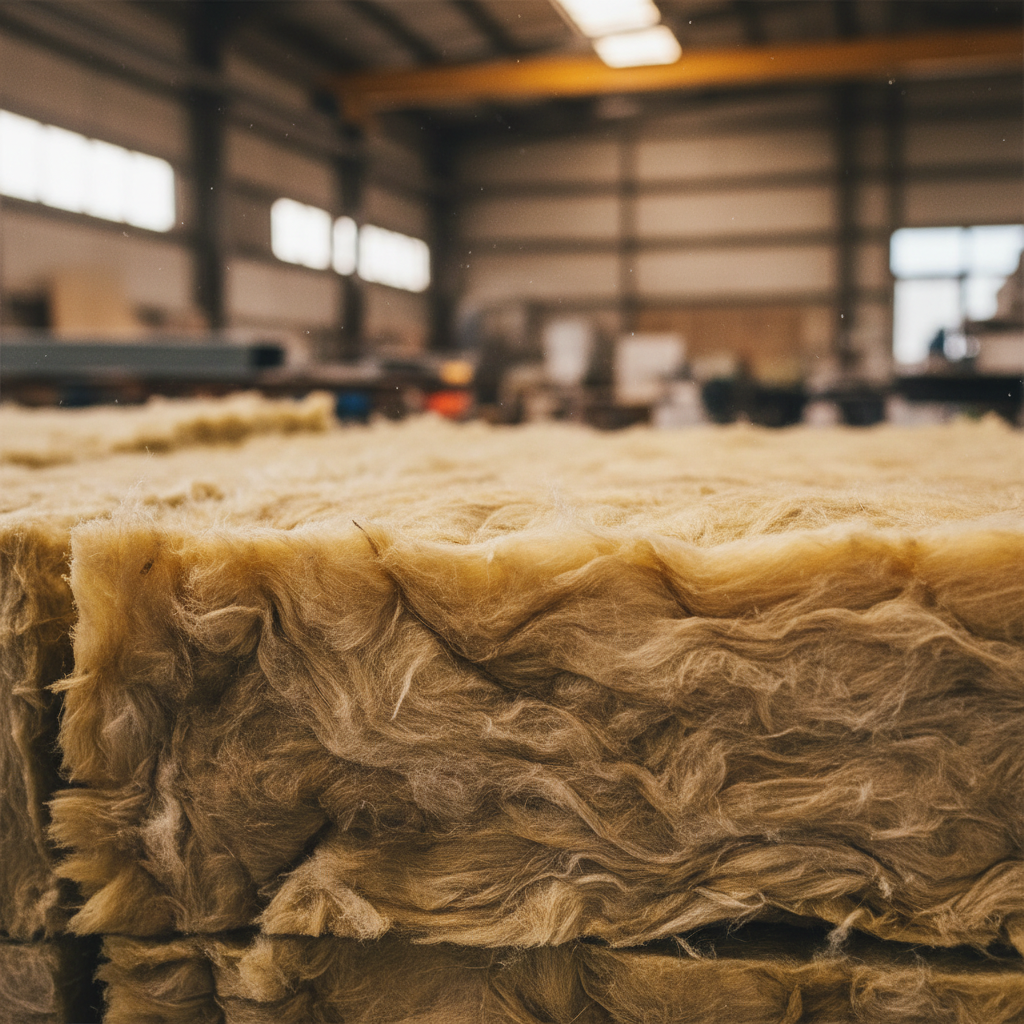
Insulation is vital for maintaining a consistent temperature within the cellar. Use materials like foam boards or fiberglass to insulate the walls and ceiling. This will help keep the cellar cool in the summer and prevent freezing in the winter.
Ensuring Proper Ventilation
Ventilation is essential to prevent mold and mildew growth. Install air vents or a small fan to ensure air circulation. Proper ventilation also helps maintain temperature and humidity levels, crucial for preserving stored items.
Position vents to allow for cross-ventilation, ensuring fresh air can flow through the cellar continuously. This simple step can significantly enhance the longevity and usability of your garden cellar.
Finishing Touches and Maintenance
After construction, focus on the finishing touches. Install shelving and storage solutions tailored to your needs. Consider adding lighting for easy access and organization. If storing food, ensure it's elevated and spaced out for optimal air circulation.
Regular maintenance is essential to keep your garden cellar in top condition. Check for signs of moisture or pests and address any issues promptly. Routine inspections will help preserve the integrity of the structure and its contents.

Conclusion
Installing a garden cellar can be a rewarding project, offering functional benefits and enhancing your property value. By following these expert tips, you can create a space that serves your storage needs while blending seamlessly with your garden environment.
With careful planning and execution, your garden cellar will provide years of reliable service. Embrace the project and enjoy the unique charm and practicality that a well-installed garden cellar can bring to your home.